
Ultimate Selection Of Foundation Repair Products For Long-Term Support
Browse a comprehensive range of foundation repair solutions aimed at providing lasting stability and peace of mind.
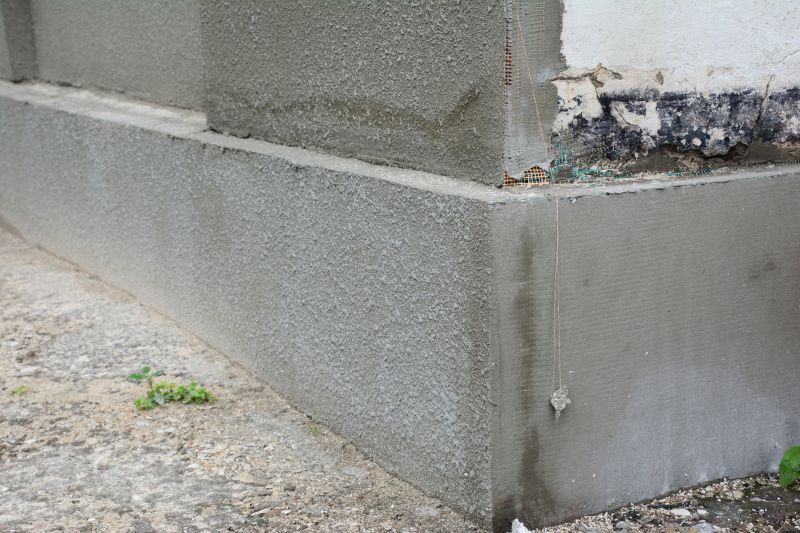 Foundation repairs are an essential aspect of maintaining the stability and safety of a structure, especially in areas prone to soil movement or moisture fluctuations. When considering products for foundation repairs, it is important to understand the variety of solutions available, each designed to address specific issues such as settling, cracking, or shifting. These products can range from simple repair patches to complex underpinning systems, and selecting the right type depends on the severity and nature of the foundation problem.
Top Overall Option
Polyurethane Foam Injection System
Polyurethane foam injection systems are versatile and widely used for underpinning and lifting settled foundations. They expand upon application, filling voids and stabilizing soil beneath the foundation. These systems are non-invasive, quick to install, and suitable for a variety of foundation types, making them a popular choice for addressing minor to moderate settlement issues without extensive excavation.
Types of Products For Foundation Repairs
Concrete Patching and Sealants
Used to repair cracks and surface damage on foundation walls and slabs, helping prevent water intrusion and further deterioration.
Carbon Fiber Reinforcement
Applied to strengthen cracked or bowed walls, providing additional support and preventing further movement.
Steel Push Piers
Installed beneath the foundation to lift and stabilize sinking structures, suitable for severe settlement issues.
Helical Piers
Helical piers are screwed into the ground to provide support for unstable foundations, especially effective in difficult soil conditions.
Slab Jacking and Mudjacking
A process that raises sunken concrete slabs by injecting a grout mixture beneath them, restoring level surfaces.
Underpinning Systems
Various underpinning products are used to strengthen and stabilize existing foundations, often involving additional support elements.
Soil Stabilization Products
Materials designed to improve soil properties and reduce movement that can affect foundation stability.
Waterproofing Membranes
Applied to foundation walls to prevent water infiltration, which can weaken the structure over time.
Drainage Systems
Proper drainage solutions help manage water around the foundation, reducing soil erosion and pressure.
Epoxy Injection Kits
Used to fill and seal cracks in concrete, restoring strength and preventing water intrusion.
Grout and Mortar Mixes
Specialized mixes for filling larger voids and cracks in foundation walls and slabs.
Vapor Barriers
Installed beneath slabs to control moisture vapor migration and protect the foundation.
Foundation Braces and Supports
Structural supports used to reinforce walls and prevent further movement or collapse.
Concrete Lifting Pumps
Equipment used in slab jacking to lift and level sunken concrete surfaces.
Popular Choices
A quick and minimally invasive method for stabilizing and lifting foundations, often used for minor settlement issues.
Commonly selected for severe sinking foundations, providing durable support beneath the structure.
Favored in challenging soil conditions for their ability to be screwed into the ground for stable support.
Popular for sealing minor cracks and preventing water intrusion in foundation walls.
A trending solution for leveling uneven concrete slabs in driveways, patios, and walkways.
Frequently used to protect foundations from water damage and moisture problems.
Effective in managing water flow around the foundation to reduce soil pressure and erosion.
Popular for quick repairs of small to medium cracks in concrete walls and floors.
Chosen for their ability to improve soil consistency and reduce movement beneath foundations.
Commonly installed to control moisture vapor transmission and protect slabs and foundations.
Used to reinforce walls and prevent further cracking or bowing.
Installed to provide additional support for sagging or compromised structures.
In Elgin, Illinois, where soil conditions and weather patterns can influence foundation stability, homeowners and contractors often turn to a range of products to reinforce and stabilize foundations. Proper diagnosis is key before choosing a product, and consulting with a foundation specialist can help determine the most suitable options. Whether dealing with minor cracks or significant shifting, there are products designed to restore structural integrity and prevent further damage.
It is also crucial to consider the longevity and compatibility of repair products with existing structures. Many products are designed for easy installation and minimal disruption, offering a practical solution for both residential and commercial properties. Regular maintenance and inspections can help identify early signs of foundation issues, allowing for timely intervention with appropriate repair products. Overall, choosing quality materials and professional guidance ensures that foundation repairs are effective and durable over time.
Key Buying Considerations
- Assess the severity and type of foundation issue to select the appropriate product.
- Consider the soil conditions and how they may influence product effectiveness.
- Evaluate the longevity and durability of the repair materials.
- Determine whether professional installation is recommended or if DIY options are suitable.
- Check compatibility of repair products with existing foundation materials.
- Review the ease of application and whether specialized tools are required.
- Consider the potential for future movement or settlement and select adaptable solutions.
- Assess the environmental conditions such as moisture levels that could affect repairs.
- Look into manufacturer warranties or guarantees for the products.
- Ensure products meet local building codes and safety standards.
- Factor in the cost versus the expected lifespan and effectiveness of the repair.
- Determine if the repair method is minimally invasive or requires extensive excavation.
- Evaluate the availability of replacement parts or supplementary materials.
- Consider the reputation and reviews of the product or brand.
- Think about the long-term maintenance requirements associated with the repair products.